Why Electronics Recycling Houston Delivers Secure Recycling Processes
Top Advantages of Electronics Recycling: Why You Should Not Toss Your Devices
Electronics recycling brings numerous benefits that transcend beyond basic disposal. Many people overlook the ecological harm caused by e-waste, which contains toxic materials. Additionally, recycling can protect precious natural resources and generate local jobs. It also offers a way to organize homes while possibly providing financial returns. Understanding these advantages is essential. What are the specific impacts of responsible recycling practices? The answers may surprise you.
The Ecological Influence of E-Waste
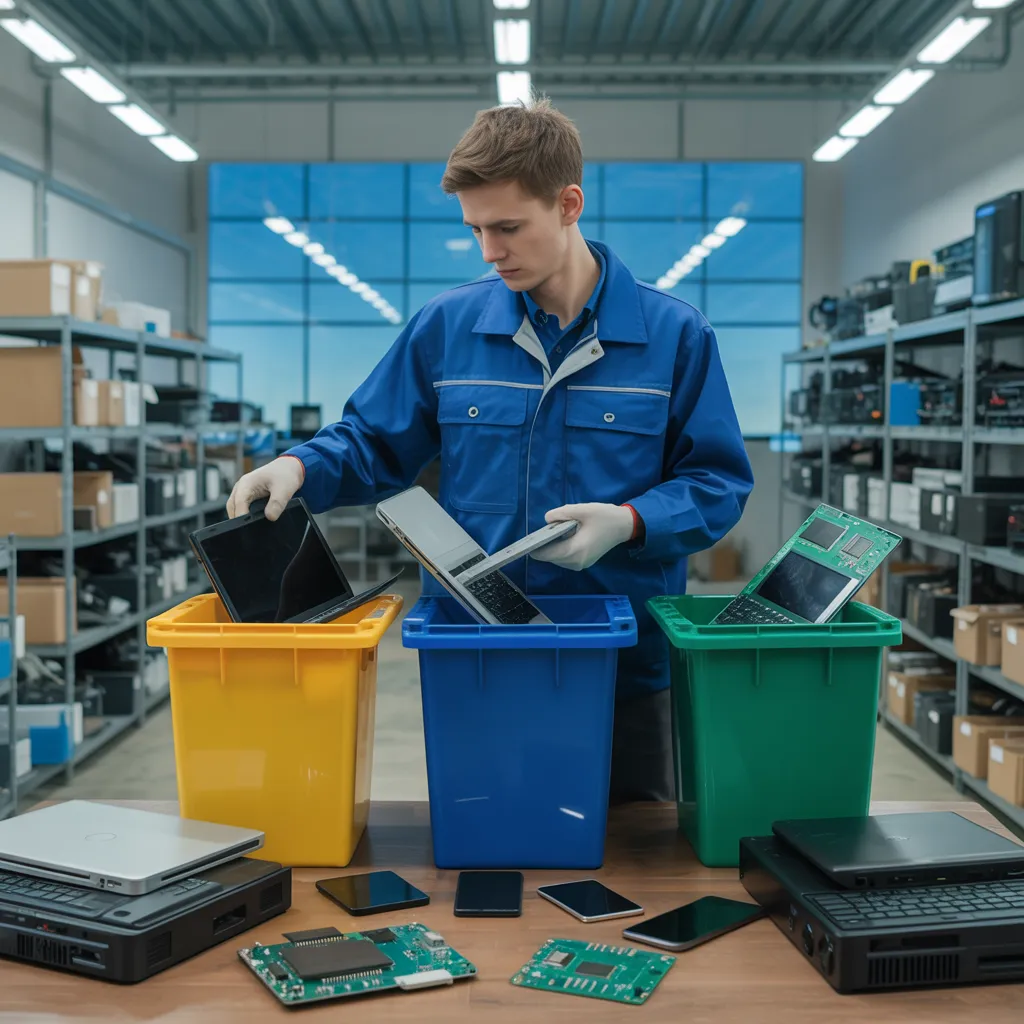
As tech equipment become increasingly vital to modern life, the issue of e-waste has appeared as a substantial environmental concern. Unwanted electronics contribute to a growing global crisis, with millions of tons of e-waste produced annually. This waste often contains hazardous materials such as lead, mercury, and cadmium, which can leach into soil and water, presenting serious health risks to ecosystems and communities.
In addition, improper disposal of e-waste deteriorates ecosystem damage and wastes valuable resources. Landfills laden with electronics can generate noxious gases, while the energy-intensive processes tied to manufacturing new devices lead to increased carbon emissions.
The pile-up of e-waste not only endangers biodiversity but also impacts air and water quality. As the digital age keeps growing, addressing the environmental impact of e-waste through ethical proper management and recycling will be essential in curtailing these negative effects on the planet.
Why Electronics Recycling Safeguards Natural Resources
A significant quantity of worthwhile materials can be recovered through e-waste recycling, making it an essential practice for protecting natural resources. Electronic devices contain rare metals such as gold, silver, and copper, which can be removed and recycled, reducing the need for new mining operations. Mining is often resource-intensive and detrimental to ecosystems, leading to deforestation and pollution.
By recycling electronics, the demand for virgin materials goes down, saving water, energy, and other resources required in extraction and processing. Additionally, recycling prevents hazardous substances found in e-waste, like lead and mercury, from entering the environment.
This approach not only decreases ecological impact but also facilitates sustainable resource management. Ultimately, electronics recycling is essential to developing a regenerative economic model, where items are given new life rather than disposed of, thereby guaranteeing that natural resources are safeguarded for future generations.
How E-Waste Recycling Benefits Local Neighborhoods
Electronics recycling yields valuable benefits for local communities by developing new employment opportunities in the sustainable economy. In addition, it reduces ecological damage, encouraging cleaner and healthier living conditions. These positive effects instill a sense of shared community responsibility and sustainable living.
Employment Creation Opportunities
Transforming discarded electronics into valuable resources pertinent information produces significant job opportunities within community-based regions. Electronics reprocessing facilities require a diverse workforce to manage the collection, categorizing, and processing of electronic waste. This industry not only generates vacancies in recycling plants but also cultivates complementary jobs in logistics, conveyance, and retail of restored products. Local economies benefit from the influx of job creation, contributing to community cohesion and growth. Additionally, training programs often emerge alongside these initiatives, arming participants with competencies in digital systems and environmental management. As communities embrace waste management programs, the potential for career development becomes a forceful reason for participants to participate in responsible disposal procedures, ultimately nurturing a more sustainable and economically flourishing environment.
Environmental Effect Reduction
Recycling e-waste greatly reduces environmental impact, fostering greener communities. Correct disposal of e-waste avoids the release of hazardous materials like Pb and mercury into soil and water supplies. Recycling electronics recovers important resources, such as metals and plastics, which are then reused, cutting down the demand for new raw inputs. This method lowers energy usage and greenhouse gas emissions involved in manufacturing new items. Additionally, local communities gain improved public health as toxic substances are kept out of landfills. By promoting responsible recycling initiatives, neighborhoods can enhance their environmental quality, leading to a sustainable future. In the end, recycling electronics builds community resilience and protects natural ecosystems for future generations.
Why Electronic Device Recycling Enables You Declutter Your Home
Electronics recycling offers a practical solution for people seeking to clear out unused devices. By properly discarding outdated gadgets, one can create valuable space in their home. This process not only reduces clutter but also encourages a cleaner living environment.
Remove Inactive Hardware
Getting rid of excess devices can significantly declutter a home and establish a more organized living environment. Many households gather aged electronics, such as old phones, laptops, and gaming consoles, which consume limited space. By recycling these items, individuals can simplify their living areas, making it easier to find essential tools and enjoy a more orderly atmosphere. Additionally, this practice not only improves personal organization but also encourages proper disposal of hazardous materials present in electronics. Engaging in electronics recycling guarantees that these devices are processed properly, preventing possible harm to the environment. Ultimately, clearing out unused gadgets fosters a sense of accomplishment and supports a more minimalist lifestyle, enhancing overall well-being.
Build Additional Area
Turning a chaotic room into a calm haven begins with the careful disposal of antiquated equipment. Numerous households accumulate aging electronics that not only occupy important room but also lead to a cluttered setting. Through participating in gadget recycling, people can efficiently reclaim this space and cultivate a more serene atmosphere. Recycled electronics are typically disassembled, facilitating the extraction of raw materials that can be repurposed, thus preventing waste from entering landfills. This process not only clears visible clutter but also offers satisfaction, recognizing that the equipment are being managed ethically. In the end, electronic recycling fosters a more organized home while supporting ecological sustainability, rendering it a win-win solution for both homeowners and the planet.
Financial Perks of Recycling Electronics
Recycling electronic devices offers considerable financial advantages for both people and businesses.
For businesses, electronics repurposing can bring about economic benefits by minimizing waste treatment expenses and limiting landfill taxes. Furthermore, organizations committed to sustainable practices can strengthen their brand prestige, attracting nature-conscious consumers.
Additionally, extracted substances from recovered electronics, such as metals and plastics, can be reclaimed, decreasing lower production costs in new devices. This not only generates revenue for recycling firms but also supports a circular economy, ultimately benefiting the broader community. By embracing electronics recycling, both individuals and businesses can enjoy tangible financial savings while supporting environmental sustainability.
How to Correctly Recycle Your Old Electronics?
Properly discarding old electronics necessitates meticulous thought to assure both environmental safety and compliance with regulations. People should begin by identifying local e-waste recovery programs, which often supply marked drop-off points or gathering events. Several municipalities and retailers make available responsible disposal methods for obsolete gadgets.
Before recycling, it is vital to secure any personal data and perform a factory reset on gadgets to safeguard privacy. Additionally, removing batteries from electronics is necessary, as they need separate handling due to their toxic components.
Moreover, consumers should avoid placing electronics in regular trash bins, as this can contribute to landfill waste and environmental contamination. Researching qualified electronic waste recycling companies is recommended, as these organizations adhere to correct protocols to ensure responsible recycling. By taking these steps, individuals can help create a sustainable future while making sure that their old electronics are handled responsibly.
Common Misconceptions About Tech Device Recycling Debunked
What are some common misconceptions regarding the process of electronics recycling? Many individuals wrongly believe that all electronic devices are recycled in the same method. In fact, recycling methods vary significantly depending on the category of gadget and materials used. A common belief is that recycling electronics lacks eco benefits. Effective recycling stops hazardous substances from polluting landfills and recovers precious materials. Some assume recycling is too complicated, but numerous facilities offer easy drop-off choices or pickup services. A common belief is that only damaged or outdated gadgets are suitable for recycling. However, even operational gadgets can be refurbished and utilized again, lengthening their lifecycle. Lastly, many people believe electronics recycling is expensive. In many cases, recycling programs are free or even incentivized. Correcting these misconceptions supports responsible disposal and encourages more people to engage in electronics recycling.
Often Asked Questions
What Ranges of Tech Products Can Go Through Recycling?
You can recycle various electronic items, including smartphones, computers, televisions, printers, and tablets. Also, peripherals like keyboards, mice, and chargers are allowed, which helps reduce waste and recover valuable materials for reuse in new products.
What Charges Might You Encounter for Recycling Electronics?
Recycling electronics fees can differ. Some centers levy a small charge for certain products, while others provide no-cost options. It is advisable to verify with nearby recycling facilities for their particular policies and requirements.
Is It Possible to Donate My Old Electronics As an Alternative?
Yes, older technology can commonly be donated to relief organizations, schools, or community bodies. Many collectives accept functioning devices, providing a fresh start for technology while aiding those in need, thereby fostering green practices and collective welfare.
How Do I Ensure My Data Is Wiped?
To ensure data is wiped, one must use software designed for secure data erasure, execute a system restoration, or demolish the storage device. Each method ensures that private data stays inaccessible to others.
What Takes Place to Recycled Electronics?
Recycled electronics undergo the disassembly stage, where precious parts are separated. Materials including metals, plastics, and glass are processed for recycling, limiting landfill waste and advancing sustainable resource recovery while reducing environmental impact and preserving natural resources.